The Journal
Essays from the edge of England's memory
Where old words wake and the past walks near
Whirlwinds, Dragons & The Viking Age·6 min read
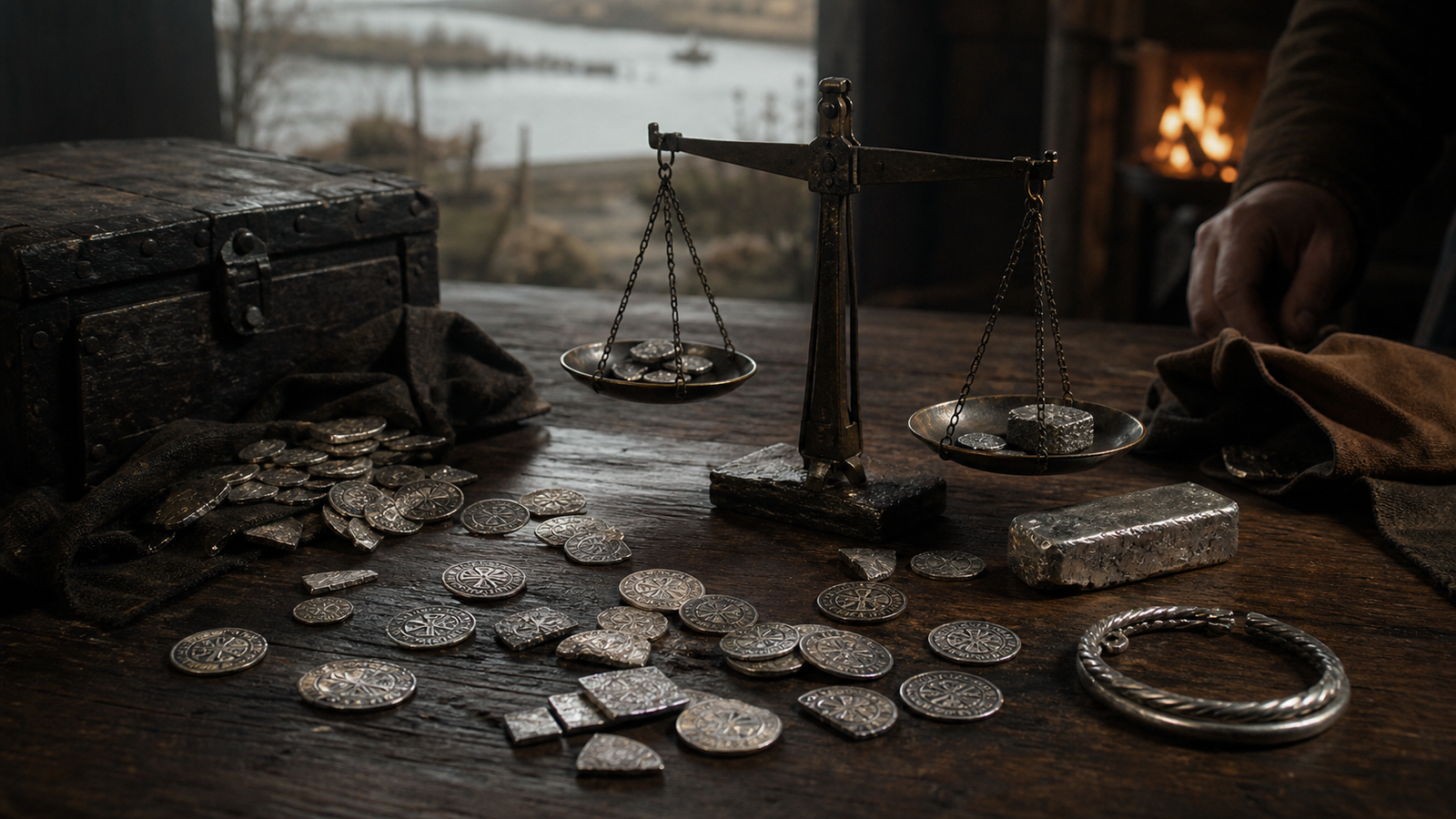
Silver, Scales, and the Shape of Trade
Anglo-Saxon England, like most of early medieval Europe, ran on coin. A silver penny was struck to a fixed weight under royal authority. Its value came from the king whose name it carried. Scandinavian settlers arriving after 865, however, brought something different: a bullion economy.
Read the essay →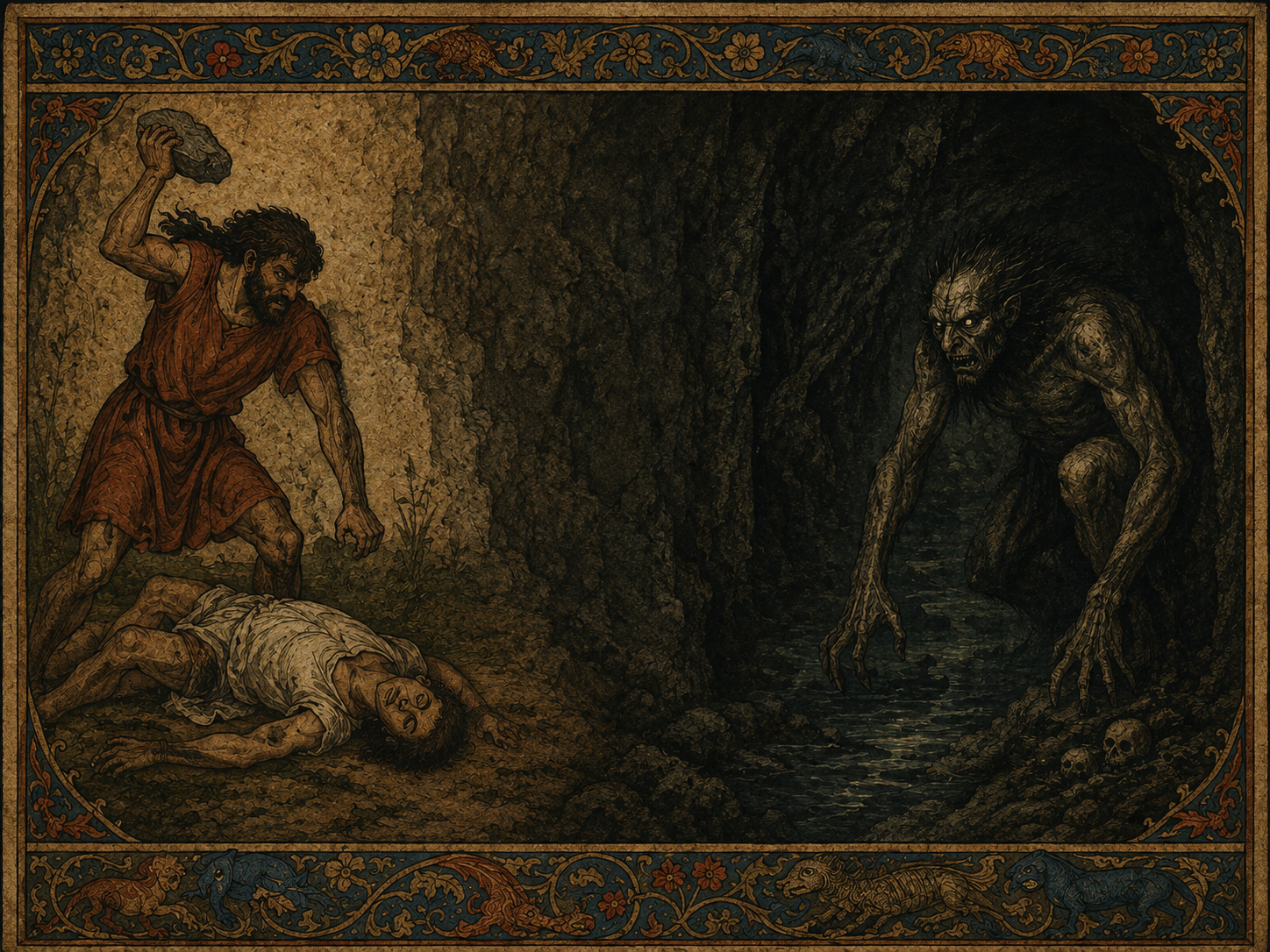
Close Reading
Grendel and the Kin of Cain: Beowulf’s Monster Genealogy
Grendel enters Beowulf as a creature of the moors. A night-stalker who loathes the sound of human joy. Before the poet describes his body, he gives us something stranger: a family history.
Grendel belongs to the line of Cain; according to the Hebrew Bible, the first man to kill another, his brother Abel.
That claim creates a problem...
Whirlwinds, Dragons & The Viking Age
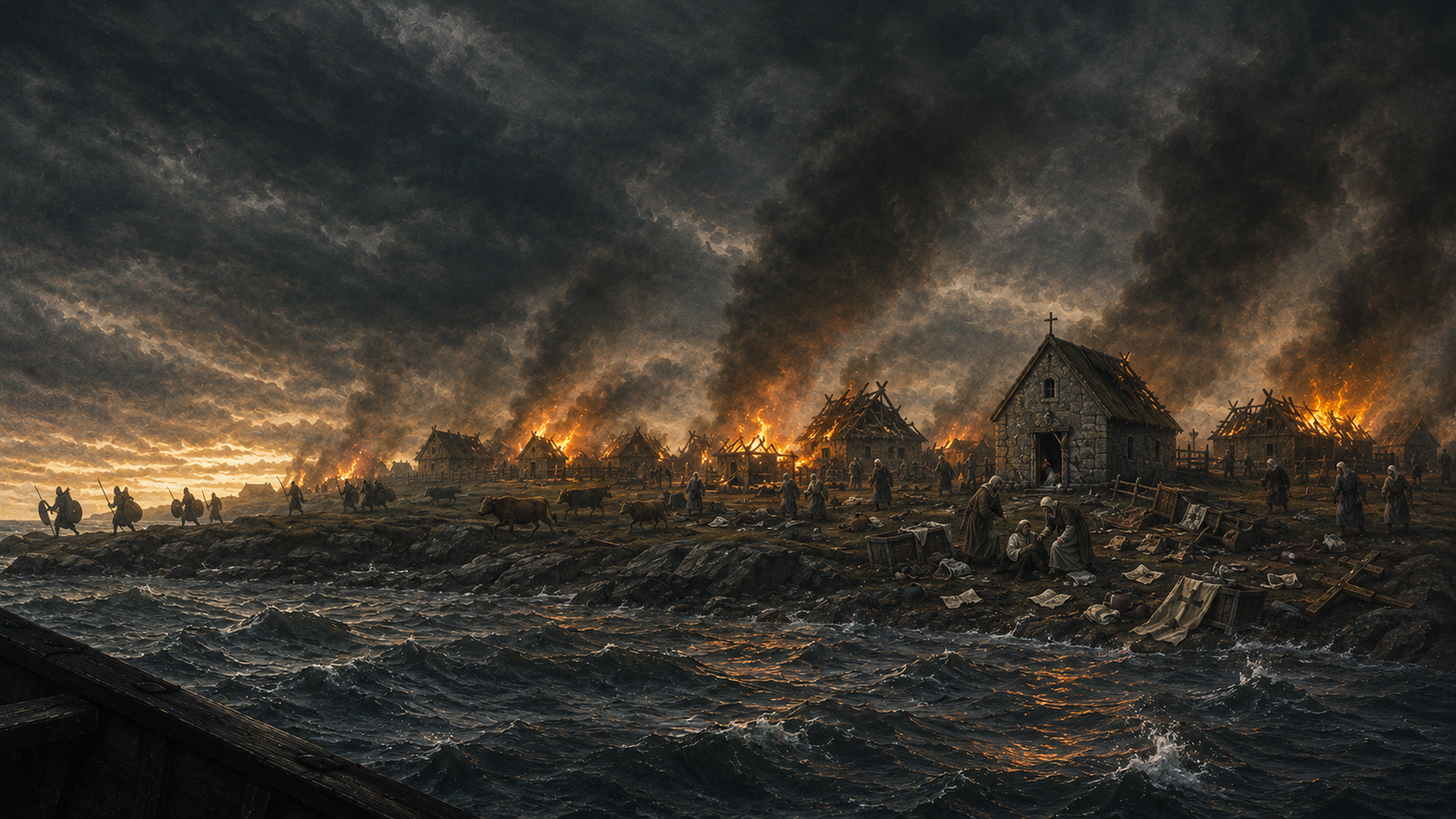
When the Sea Brought Slaughter: The Raid on Lindisfarne, AD 793
The attack lasted perhaps only hours. Its shock travelled from a tidal Northumbrian island to the court of Charlemagne—and changed what Christian England believed holiness could protect. Historical Context Author’s note: This is a continuation from my previous post on Lindisfarne, and aims to give a Norse perpespective while staying true to the Wulfcræft dictum […]
Learn Old English
Learn The Words That Inspired Tolkien’s Lord of The Rings
This FREE Old English course teaches the basic elements so you understand what you are actually looking at. In less than a week, you’ll have the skills to read parts of Beowulf, The Dream of The Rood, The Wanderer and others. Old English is not Modern English with strange spelling. It had grammatical gender. It […]
Literature
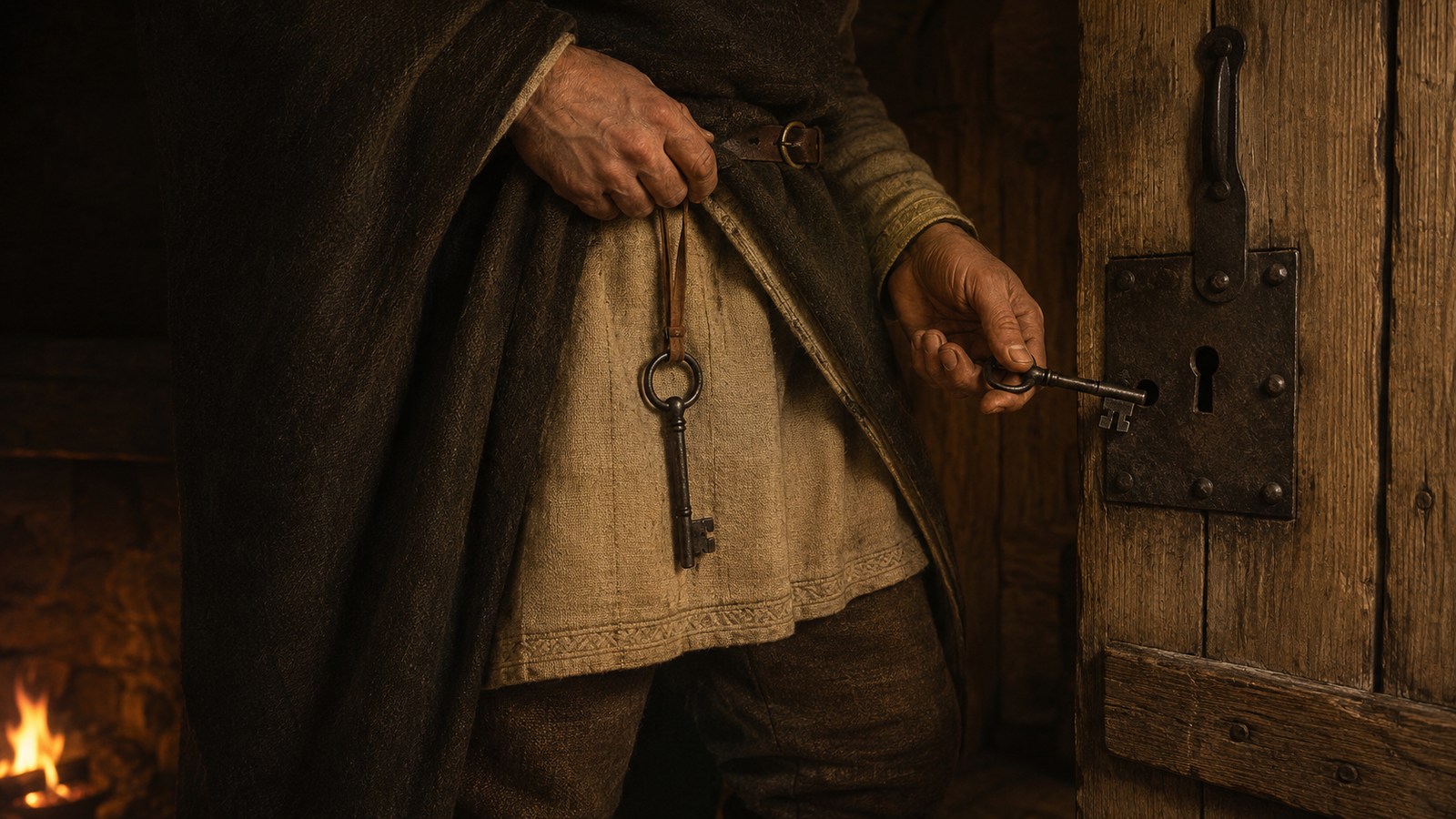
The Key at a Man’s Thigh:Exeter Book Riddle 44
Exeter Book riddle 44 is argubly the most suggestive riddle of them all. A curious thing hangs at a man’s thigh, under his lord’s garment. In its front there’s a hole. It’s stiff and hard, and holds a good position. When the man lifts his own clothing above his knee, he means to greet, with […]
Whirlwinds, Dragons & The Viking Age
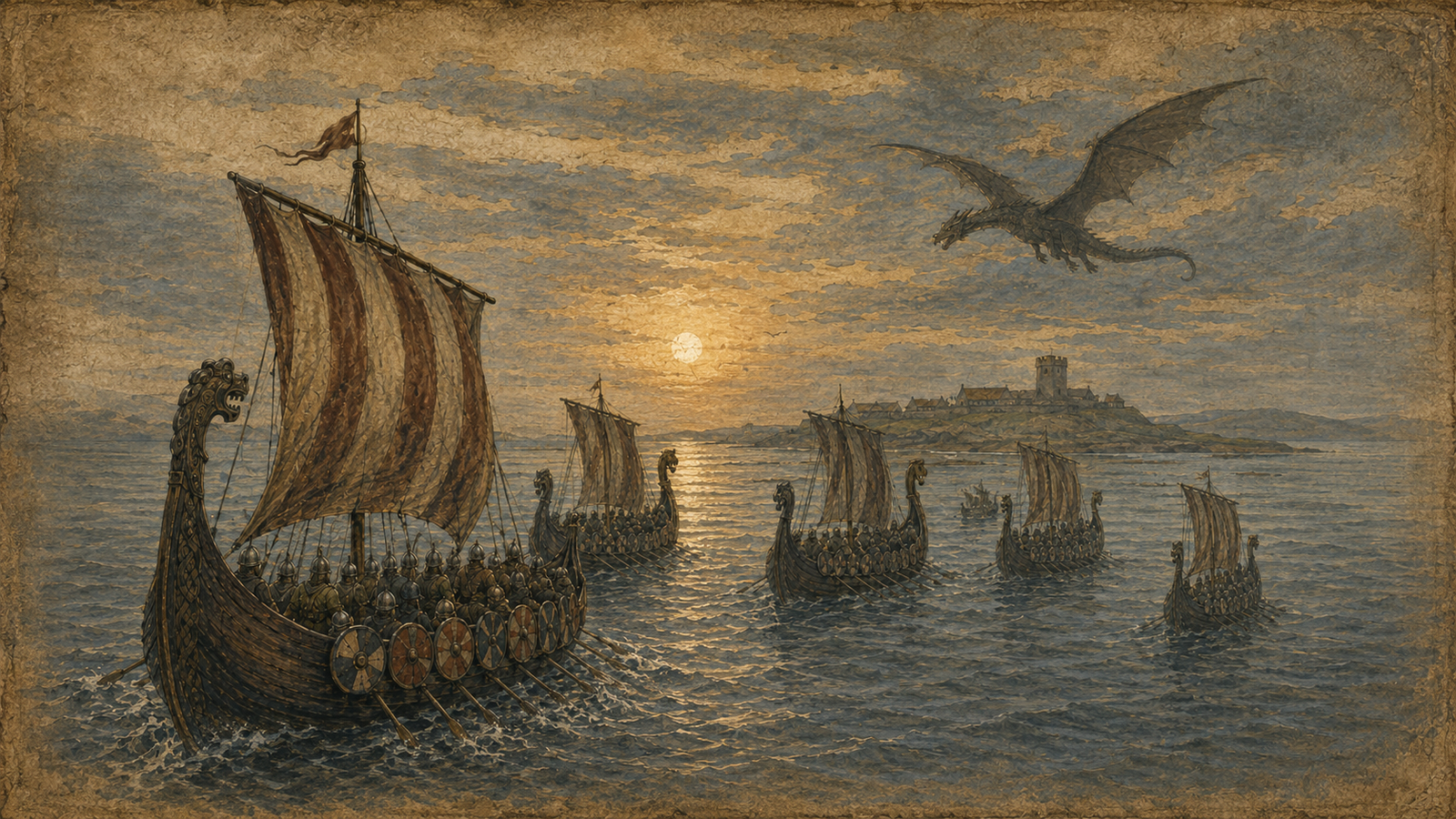
Whirlwinds and Dragons: The Plundering of Lindisfarne
Historical Context Most scholars and historians agree the plundering of Lindisfarne occurred in June, 793 AD. It is widely accepted that The Irish monk Aidan founded Lindisfarne in 634, at the invitation of the Northumbrian king Oswald. From all accounts, the monastery grew into one of the great centres of English Christianity. Cuthbert, bishop of […]

Anglo Saxon Table
From Mead Hall to Modern Kitchen: Reimagining an Anglo-Saxon Winter Pottage
“The best historical recipes are not frozen in time; they are conversations between the past and the present.” When we think of Anglo-Saxon food, we might think of bland stews, hearty broths, dark halls, plenty of ale, and little else. The reality is more interesting than that. For the people of early medieval England, food […]
Everyday Life
Why Anglo Saxon England Is Capturing the Modern Imagination Again
From a language buried inside our own to swords still surfacing in Kentish soil, the early medieval world keeps finding new readers. Historical Context Hwæt! Wē Gār-Dena in geārdagum… So opens Beowulf, the best-known poem to survive from Anglo-Saxon England: “Listen! We have heard of the glory of the Spear-Danes’ kings in days gone by” […]

Poetry & Story·11 min read
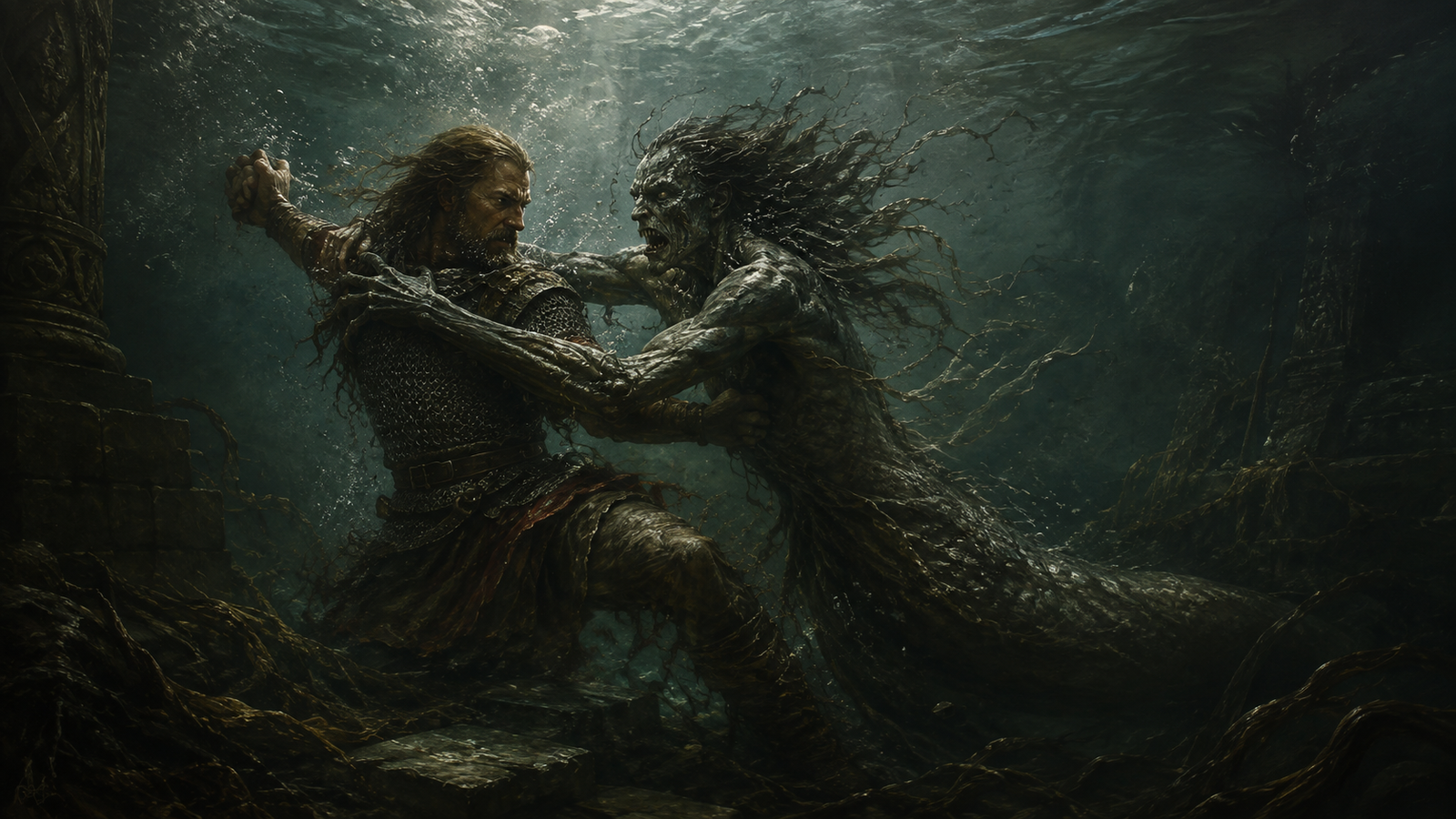
Into the Mere: Why Does Beowulf Fight Grendel’s Mother?
The mere is not just a lake. It is every dark water we refuse to look into. A close reading of the poem’s most unsettling passage — and why it still works on us, thirteen centuries on.

Women's Lives·9 min read
The Loom and the Hall: Where Anglo-Saxon Women Held Power
Peace-weavers, abbesses, keyholders. The evidence for women’s authority is everywhere — once you know where to look.