Essays on Anglo-Saxon History and Old English Literature
Where old words wake and the past walks near
The Viking Influence
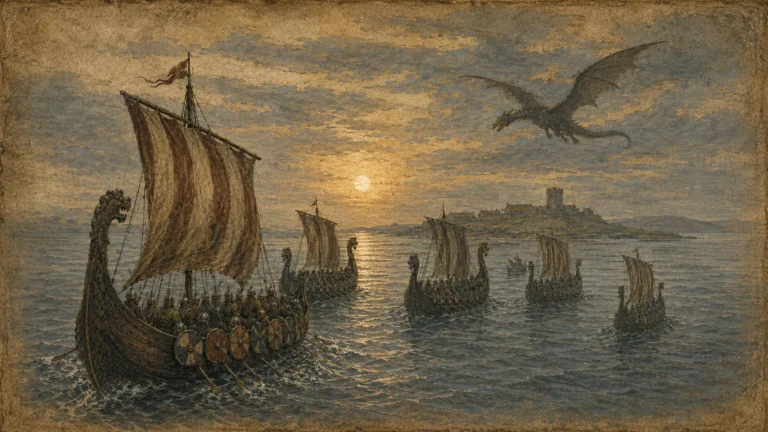
Whirlwinds and Dragons: The Plundering of Lindisfarne
Fiery dragons, famine and a monastery under attack: the Chronicle’s account of Lindisfarne reveals how Anglo-Saxon writers understood catastrophe, faith and the limits of safety.

Anglo Saxon Table
From Mead Hall to Modern Kitchen: Reimagining an Anglo-Saxon Winter Pottage
Seasonal ingredients bring the Anglo-Saxon table into a modern kitchen. Explore the evidence behind everyday food, then try a barley pottage with roast pork belly.
Poetry & Story
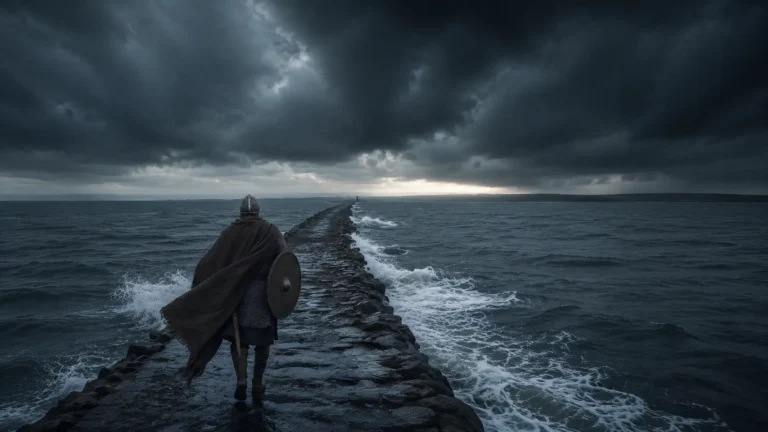
The Enduring Legacy of Old English Literature
Surviving poems, familiar words and new archaeological finds keep early medieval England close. Explore why Old English literature continues to capture the modern imagination.
Poetry & Story11 min read
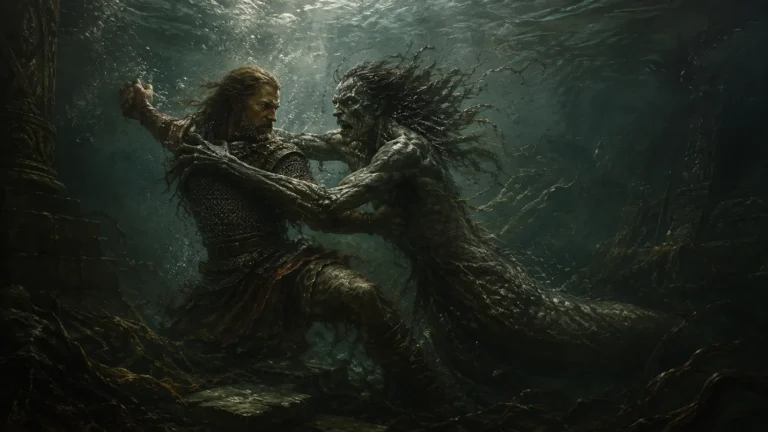
Into the Mere: Why Does Beowulf Fight Grendel’s Mother?
The mere is not just a lake. It is every dark water we refuse to look into. A close reading of the poem’s most unsettling passage and why it still works on us, thirteen centuries on.

Sovereignty & Faith10 min read
Understanding Steadfastness in The Dream of the Rood
The strangest, most beautiful poem of the conversion. Christ mounts the cross like a hero going to battle.

Poetry & Story8 min read
The Seafarer Lessons for Modern Men: Comfort, Solitude, and Purpose
Discover The Seafarer lessons for modern men: how an Anglo‑Saxon poem speaks to comfort, solitude, transience, and purpose in today's distracted world.
Riddles5 min read
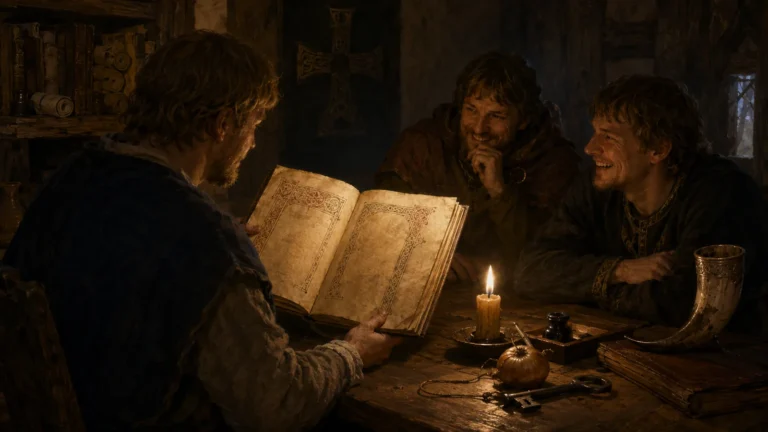
The Exeter Book Riddles: What Anglo-Saxons Found Funny
Onions, storms, dough, a one-eyed seller of garlic — the riddle-poems that prove the Anglo-Saxons had a sense of humour.

The Viking Influence8 min read
How the Vikings Influenced Old English Writing
Raiders, settlers, and eventually neighbours — the Norse left their mark on the English language and its poetry.