The Journal
Tag: Old English
Old English is the language of Beowulf, The Seafarer and much of the literature produced in early medieval England. Its vocabulary, sound and poetic structure preserve a world shaped by kinship, exile, faith, warfare and the uncertain workings of fate.
This hub brings together WULFCRÆFT essays that explain Old English texts in their historical setting and draw out the ideas that still speak to modern readers. Begin with the two featured readings below, then explore the broader poetry collection or the practical glossary.
Start here
Explore further
Sovereignty & Faith8 mins
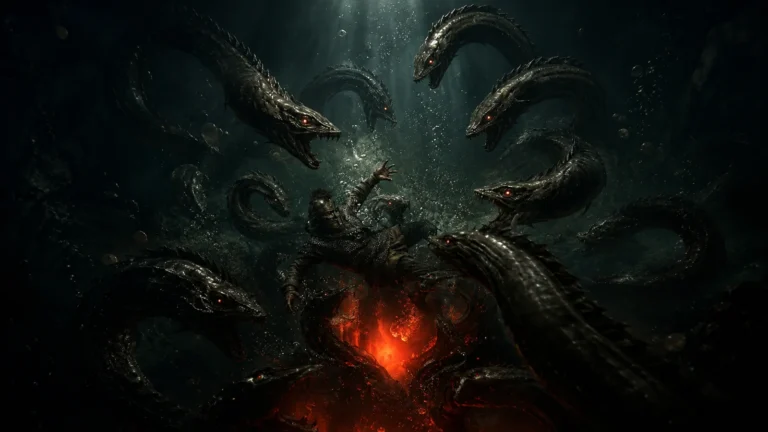
What Happened When Christianity Met Old English Poetry?
Christian poets inherited a heroic past. In Beowulf, The Dream of the Rood and the elegies, they gave its familiar stories new meaning.
Poetry & Story
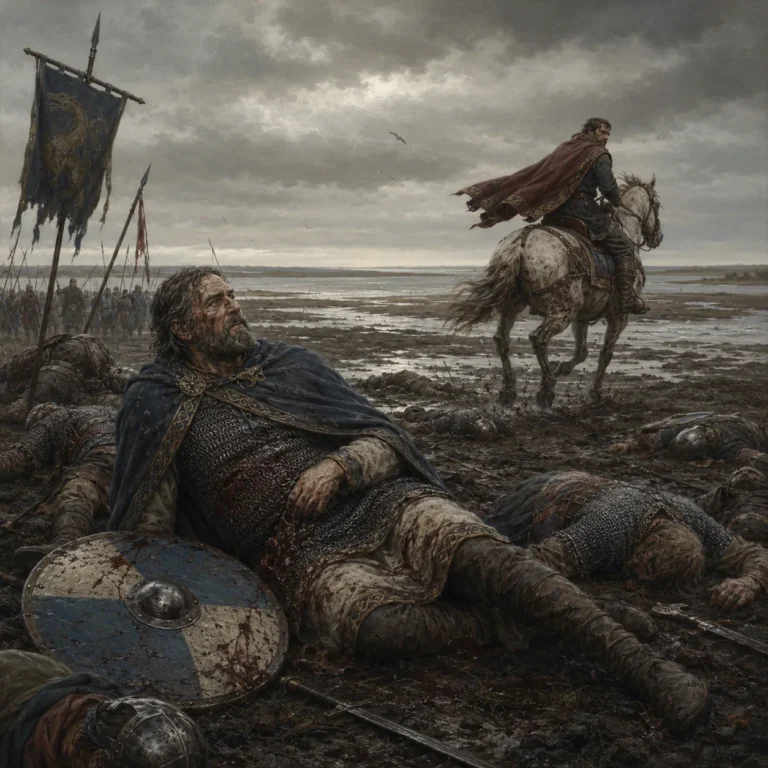
The Battle of Maldon: Courage, Pride and the Will to Endure
Explore The Battle of Maldon, Byrhtnoth's ofermod and Byrhtwold's famous speech in this guide to courage, pride and Anglo-Saxon loyalty.
Poetry & Story
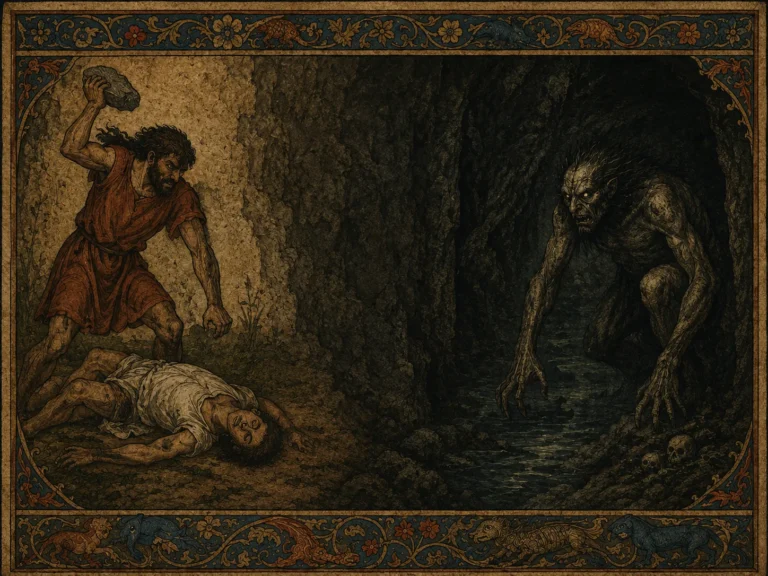
Grendel and the Kin of Cain: Beowulf’s Monster Genealogy
Why does Beowulf trace Grendel’s ancestry to Cain? Biblical history, the Flood and a giant-made sword reveal a monster shaped by violence, exile and broken kinship.
Riddles
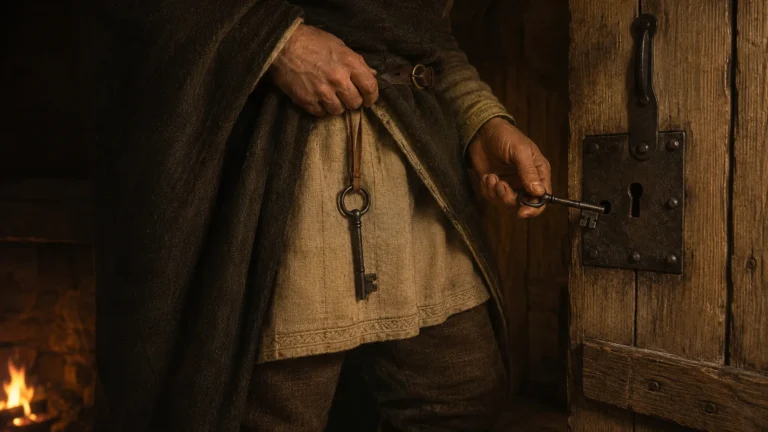
The Key at a Man’s Thigh: Exeter Book Riddle 44
A familiar object becomes a suggestive puzzle in Exeter Book Riddle 44. Read the Old English, weigh the clues and explore its playful double meaning.

Poetry & Story8 min read
The Seafarer Lessons for Modern Men: Comfort, Solitude, and Purpose
Discover The Seafarer lessons for modern men: how an Anglo‑Saxon poem speaks to comfort, solitude, transience, and purpose in today's distracted world.
Riddles5 min read
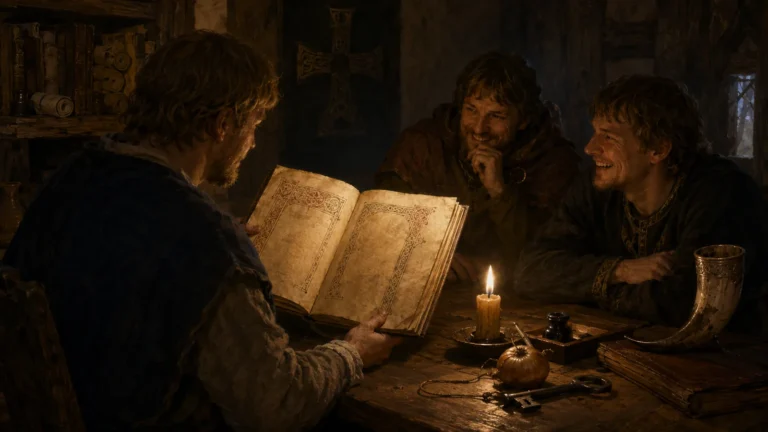
The Exeter Book Riddles: What Anglo-Saxons Found Funny
Onions, storms, dough, a one-eyed seller of garlic — the riddle-poems that prove the Anglo-Saxons had a sense of humour.